When the Wrong Man Nearly Claimed History's Most Famous Phone Call
The Valentine's Day That Almost Changed Everything
February 14, 1876, wasn't just Valentine's Day—it was the day two men unknowingly sprinted toward the same finish line at the U.S. Patent Office, each clutching paperwork that would either make them fabulously wealthy or eternally forgotten. Only one name survived in the history books: Alexander Graham Bell. The other man, Elisha Gray, came within hours of stealing the most lucrative invention of the 19th century.
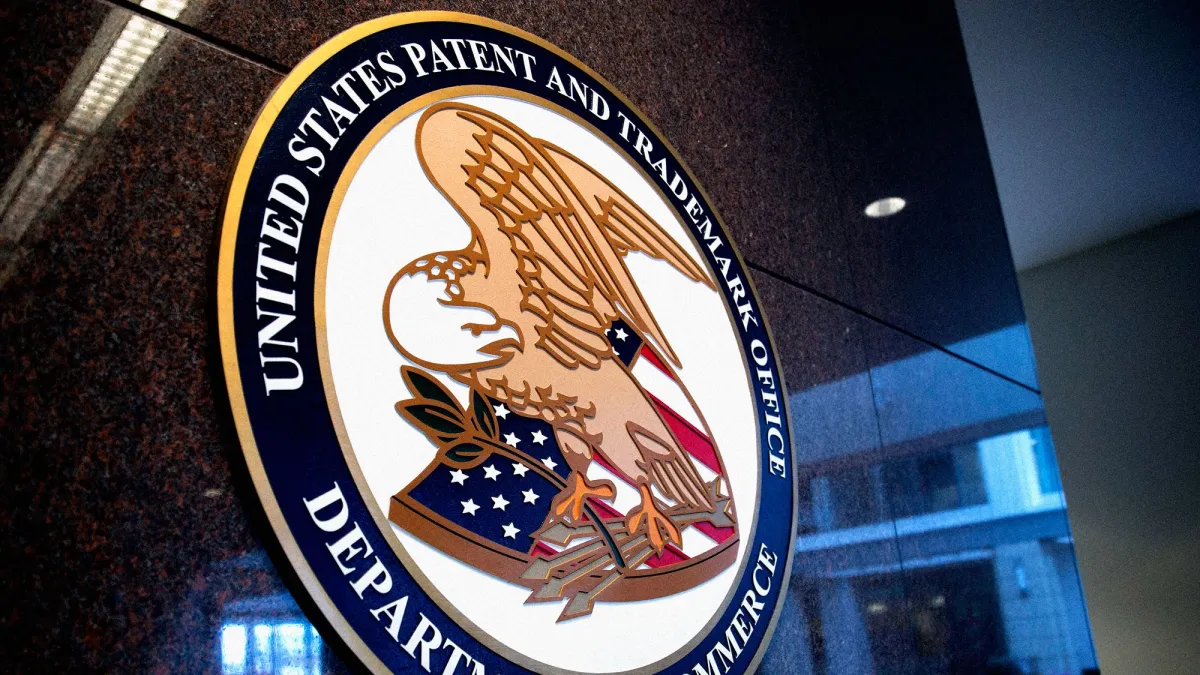 Photo: U.S. Patent Office, via media.wired.com
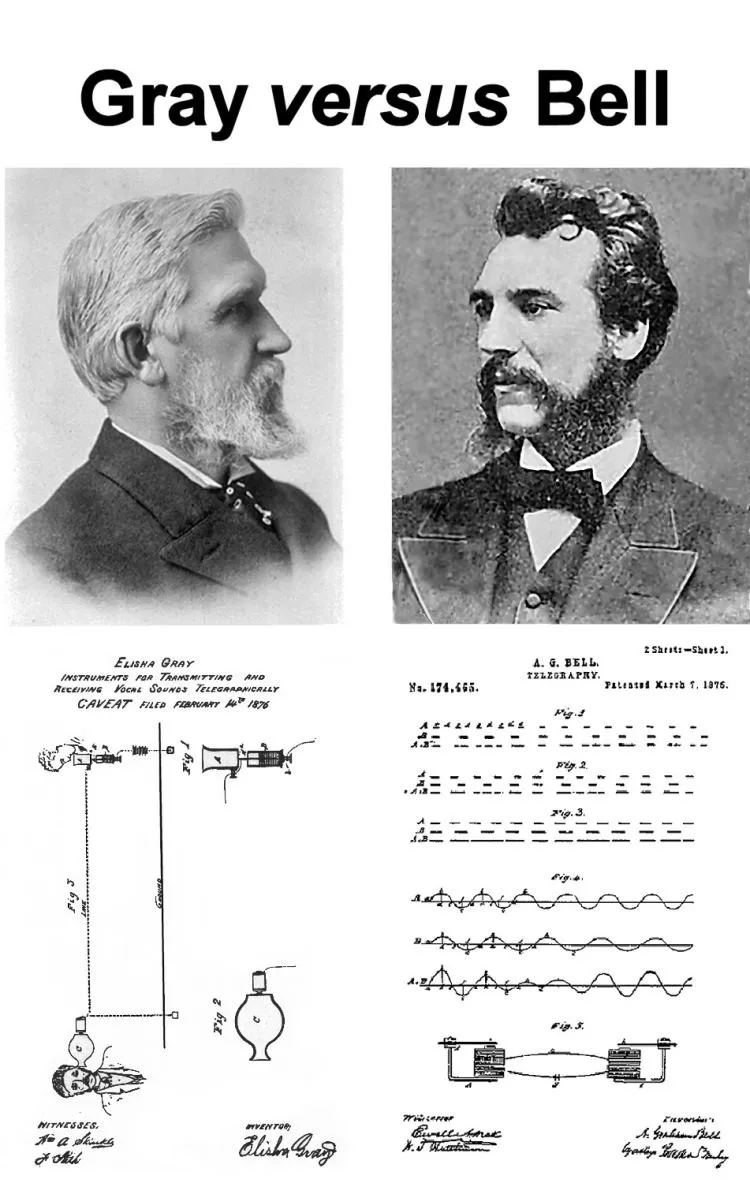 Photo: Elisha Gray, via alchetron.com
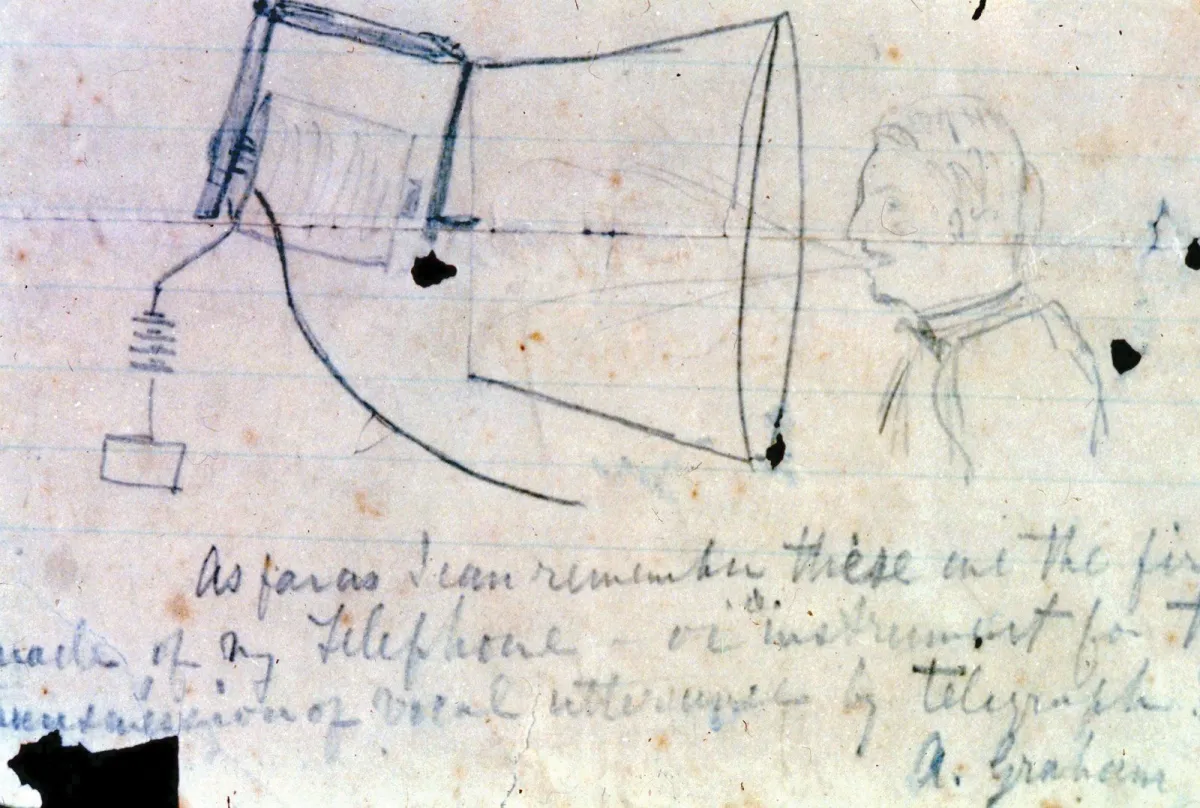 Photo: Alexander Graham Bell, via cdn.britannica.com
What happened that morning reads like a bureaucratic thriller where timing, luck, and possibly corruption decided who would be remembered as the father of the telephone.
The Race Nobody Knew Was Happening
Elisha Gray wasn't some basement tinkerer—he was a respected inventor with dozens of patents to his name, including early versions of the telegraph. On that February morning, Gray's lawyer walked into the patent office carrying what's called a "caveat," essentially a placeholder that said, "Hey, I'm working on this thing, so nobody else better try to patent it."
Meanwhile, Bell's attorney had already submitted a full patent application for what he called an "improvement in telegraphy." The timing was so close that patent office records show Gray's caveat was filed just hours after Bell's application—but here's where it gets weird.
The Suspicious Coincidence That Launched a Thousand Conspiracy Theories
Bell's original patent application contained a curious detail: a description of liquid transmitters that looked suspiciously similar to Gray's design. The problem? Bell's notebooks show no evidence he'd ever experimented with liquid transmitters before that day. Gray, on the other hand, had been perfecting the concept for months.
This sparked decades of legal battles and accusations that someone at the patent office had shown Gray's caveat to Bell's team before approving the patent. The conspiracy theories write themselves: Did Bell's lawyer slip a clerk some cash? Was there a last-minute rewrite of Bell's application?
The Clerk Who Held History in His Hands
The patent examiner who processed both documents was a man named Zenas Wilber, and his later testimony reads like something out of a legal thriller. Wilber eventually claimed that Bell's attorney had shown him Gray's caveat and asked him to delay its processing. He also alleged that money changed hands—though he flip-flopped on this story multiple times over the years.
Wilber's credibility was questionable at best, but his position gave him unprecedented power over one of history's most important inventions. One man's decision in a government office essentially determined whether American schoolchildren would learn about Alexander Graham Bell or Elisha Gray.
The Phone Call That Proved Everything
Three days after the patent was approved, Bell made his famous first phone call: "Mr. Watson, come here, I want to see you." But here's the kicker—Bell used Gray's liquid transmitter design to make it work. His original patent design wouldn't have been capable of transmitting clear speech.
Gray, meanwhile, had no idea his design was being used until he read about Bell's successful demonstration in the newspapers. Imagine discovering that someone had not only stolen your homework but also gotten credit for inventing homework itself.
The Legal Battle That Almost Rewrote History
What followed was a legal war that lasted over a decade. Gray and his supporters filed more than 600 lawsuits challenging Bell's patent. The Western Union Telegraph Company, which had initially dismissed the telephone as a novelty, suddenly became very interested when they realized what they'd missed.
The courts ultimately sided with Bell, but not before some damning evidence emerged. Internal Western Union documents showed they knew Gray had invented key telephone components before Bell's patent was filed. However, by then, Bell Telephone Company had grown too powerful to challenge effectively.
The Man History Forgot
Elisha Gray lived to see the telephone transform American society, but he never received credit for his role in its invention. He continued inventing—creating early versions of the fax machine and contributing to telegraph technology—but he's remembered today mainly as a footnote in Bell's story.
Gray died in 1901, still maintaining that he was the true inventor of the telephone. His obituaries mentioned his "disputed claim" to the invention, but by then, Bell's version of events had become accepted history.
The Invention That Almost Wasn't
The telephone patent became the most valuable single patent in history, generating billions in revenue for Bell's company. But it all hinged on a few hours at a government office and the decisions of clerks whose names nobody remembers.
If Gray had filed his caveat one day earlier, or if Bell had been delayed by a snowstorm, the entire trajectory of American telecommunications might have been different. Instead of "Ma Bell," we might have had "Papa Gray." AT&T might have been AGT. And Alexander Graham Bell might be remembered as the guy who almost invented the telephone.
The next time you make a phone call, remember: you're using a device that legally belongs to the man who got to the patent office first, not necessarily the one who invented it first.