When a Small Tennessee Town Put a Five-Ton Elephant on Trial and Executed Her with Construction Equipment
The Day Justice Went Completely Off the Rails
On September 13, 1916, the small town of Kingsport, Tennessee, witnessed something that sounds like it was ripped from the pages of a fever dream: the public execution of a five-ton circus elephant, carried out with industrial machinery while thousands of spectators cheered. The elephant's crime? Killing her handler in what may have been a moment of confusion, pain, or simple animal instinct.
What followed was a bizarre legal proceeding that revealed just how far a community could go when panic, mob mentality, and misguided justice collided in the most spectacularly unhinged way possible.
When the Circus Came to Town
Mary was the star attraction of the Sparks World Famous Shows, a traveling circus that brought wonder and excitement to small American towns. Standing over eight feet tall and weighing approximately 10,000 pounds, she was billed as "the largest living land animal on Earth"—a claim that may have been circus hyperbole, but wasn't far from the truth.
The elephant had been with the circus for decades, performing tricks and giving rides to children. By all accounts, Mary was considered gentle and well-trained. She could play musical instruments, dance on her hind legs, and even play baseball—a crowd-pleasing act that had made her famous throughout the South.
But on that fateful September afternoon, something went horribly wrong.
The Incident That Changed Everything
Red Eldridge, a recently hired elephant handler with little experience, was leading Mary through the streets of Kingsport when she suddenly stopped to investigate something on the ground—possibly a watermelon rind or piece of food. When Eldridge prodded her with an elephant hook to keep moving, Mary reacted violently.
In front of dozens of horrified spectators, the elephant grabbed Eldridge with her trunk, threw him against a wooden stand, and then stepped on his head. The handler was killed instantly.
The crowd erupted in panic and rage. Shouts of "Kill the elephant!" filled the air as people scattered in terror. Within hours, the entire town was calling for Mary's blood, convinced that she was a dangerous killer who posed a threat to public safety.
The Trial That Wasn't Really a Trial
What happened next defies all rational explanation. Rather than simply removing Mary from the area or returning her to a zoo, local officials decided that the elephant must face justice—human justice—for her crime.
The "trial" was more of a public hearing, held in the town square with hundreds of residents in attendance. There was no defense attorney for Mary, no consideration of animal psychology or the circumstances that led to the incident. The proceedings were swift and decisive: Mary was found guilty of murder and sentenced to death by hanging.
The absurdity of the situation didn't end there. Kingsport's officials faced a logistical nightmare: how do you execute a five-ton elephant? The town didn't own a gun powerful enough to kill her humanely, and nobody wanted to risk a botched shooting that might only wound and further enrage the animal.
Engineering an Execution
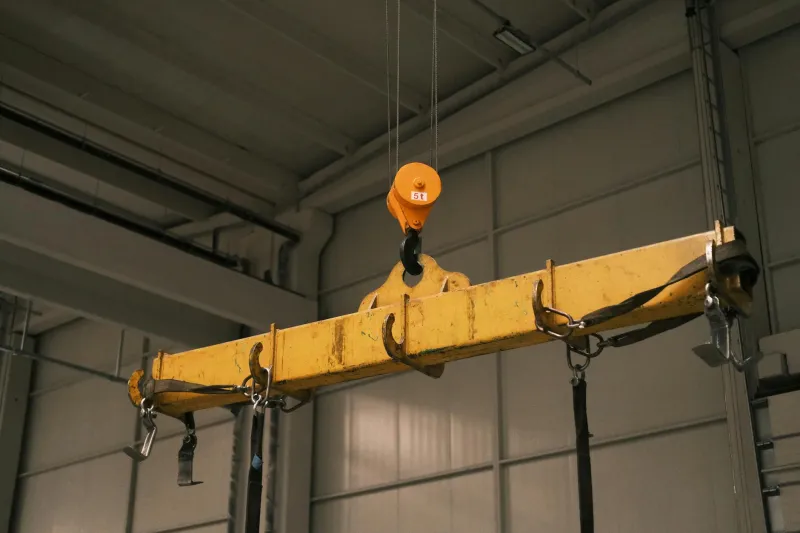
The solution they settled on was both ingenious and horrifying: they would hang Mary using the town's railroad crane. A massive chain was secured around her neck, and she was slowly lifted off the ground as thousands of spectators—including children—watched in fascination and horror.
The first attempt was a disaster. The chain snapped under Mary's weight, sending her crashing to the ground with a thunderous impact that could be heard for blocks. Rather than taking this as a sign to reconsider their course of action, officials simply found a stronger chain and tried again.
The second attempt succeeded. Mary was lifted high into the air and left to die while the crowd below watched in stunned silence. Photographers captured the entire scene, creating images that would haunt American history for decades to come.
The Aftermath of Mob Justice
News of Mary's execution spread quickly, and reaction was mixed. Some newspapers praised Kingsport for taking decisive action against a "dangerous beast." Others questioned the sanity of a community that would stage such a grotesque spectacle.
The circus, meanwhile, was devastated. They had lost their star performer and faced a public relations nightmare that would follow them for years. The Sparks World Famous Shows never fully recovered from the incident and eventually went out of business.
Questioning the Unthinkable
Looking back more than a century later, Mary's execution raises uncomfortable questions about justice, mob mentality, and humanity's relationship with animals. Modern animal behaviorists suggest that Mary's reaction was likely defensive rather than malicious—a frightened animal responding to pain or confusion.
The incident also highlights how quickly a community can abandon reason when fear and anger take control. In the span of a few hours, Kingsport transformed from a quiet Tennessee town into the site of one of the most bizarre legal proceedings in American history.
A Legacy Written in Chains
Today, Mary's story serves as a reminder of how far human judgment can stray when emotions run high. The elephant who once entertained children and performed tricks became the victim of a justice system that had completely lost its way.
The railroad crane that ended Mary's life continued operating for decades, a silent witness to one of the most unhinged moments in American legal history. Sometimes the most unbelievable stories are the ones that force us to confront the darkest corners of human nature—and wonder how we ever thought any of it made sense.