When One Indiana Town's Cat Crusade Triggered the Great Rat Invasion of 1952
The War Nobody Asked For
In 1951, the good people of Greensburg, Indiana had what they considered a perfectly reasonable complaint: too many cats were keeping them awake at night. What happened next sounds like the plot of a B-movie, but it's a real chapter in American municipal history that nobody talks about anymore.
The town council, responding to mounting complaints about yowling felines disrupting the peace, declared an all-out war on the local stray cat population. What they got instead was a lesson in ecological balance that would make any biologist weep.
A Simple Solution Gone Horribly Wrong
The plan seemed foolproof. Greensburg's city officials launched "Operation Clean Sweep" in early 1952, offering bounties for dead cats and organizing weekend hunting parties. Local newspapers cheerfully reported on the campaign's progress, with headlines like "Another Dozen Troublemakers Eliminated" appearing in the Greensburg Daily News.
Residents embraced the initiative with surprising enthusiasm. Within six months, the town had successfully eliminated an estimated 400 stray cats from their streets. Mission accomplished, right?
Not exactly.
The Uninvited Guests Arrive
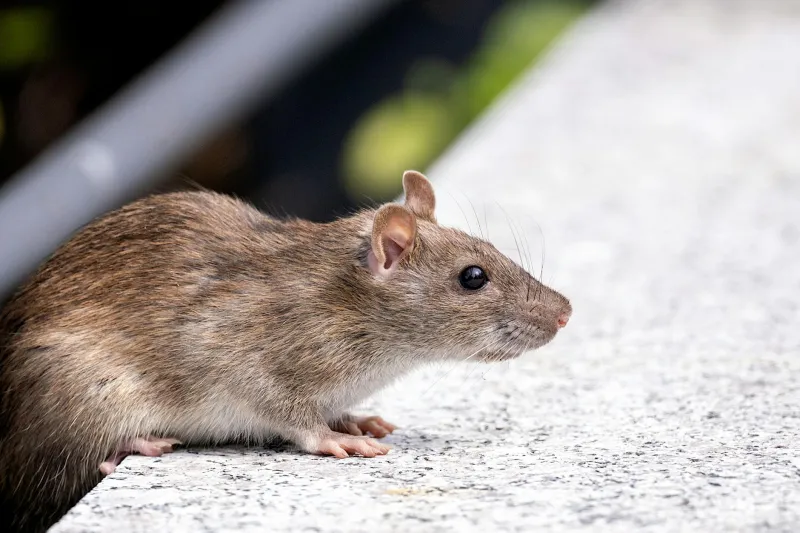
By late summer of 1952, Greensburg residents noticed something disturbing: rats. Lots and lots of rats.
What started as occasional sightings quickly escalated into full-blown infestations. Rats appeared in restaurants, grocery stores, and private homes. They chewed through grain supplies, contaminated food storage areas, and turned the town's previously pristine downtown into what one resident described as "something out of a medieval plague story."
The rat population exploded so rapidly that local businesses began closing their doors. The Greensburg Grain & Feed lost thousands of dollars in damaged inventory. Miller's Restaurant, a local institution, temporarily shut down after health inspectors found evidence of rodent activity in their kitchen.
The Desperate Scramble for Solutions
Faced with a crisis that was rapidly spiraling out of control, city officials tried everything. They hired professional exterminators, distributed poison throughout the town, and even brought in terrier dogs to hunt the rats. Nothing worked.
The rodent population had reached what biologists call a "tipping point." Without their natural predators, the rats reproduced faster than any human intervention could eliminate them. Female rats can produce up to 12 litters per year, with each litter containing 6-8 offspring. Do the math, and Greensburg's original cat problem suddenly seemed quaint.
Local hardware stores sold out of traps within weeks. The town's single veterinarian reported treating more rat bites in three months than he'd seen dog bites in the previous five years.
The Embarrassing Solution
By early 1953, Greensburg officials were forced to make one of the most humiliating policy reversals in municipal history. They began actively importing cats from neighboring towns.
The "Feline Recruitment Drive" involved city workers traveling to surrounding counties, literally begging other communities to share their stray cat populations. Greensburg offered free transportation, food, and even small cash incentives to anyone willing to relocate cats to their rat-infested streets.
Local newspapers, which had celebrated the original cat elimination campaign, now ran headlines like "Wanted: Cats, Any Cats" and "Heroes on Four Paws Needed." The irony wasn't lost on residents, many of whom had enthusiastically participated in the original cat hunts.
Nature Finds Its Balance (Eventually)
It took nearly two years and an estimated 200 imported cats before Greensburg's rat population returned to manageable levels. The ecological balance that had taken decades to establish naturally required massive human intervention to restore.
The financial cost was staggering. Between extermination efforts, property damage, lost business revenue, and the cat importation program, the town spent roughly $50,000 — equivalent to about $500,000 today. All to solve a noise complaint that could have been addressed with a simple nighttime noise ordinance.
The Lesson Nobody Wanted to Learn
Greensburg's cat war became a cautionary tale that spread throughout Indiana and beyond, though city officials rarely discussed it publicly. The incident perfectly illustrated what ecologists had been trying to explain for decades: every species plays a crucial role in maintaining environmental balance.
The story also revealed something uniquely American about small-town governance: the confidence to tackle complex problems with simple solutions, regardless of potential consequences.
The Cover-Up That Wasn't
Interestingly, Greensburg never officially acknowledged their mistake. City council meeting minutes from 1953-1954 contain no direct references to the "rat crisis" or the cat importation program. The closest thing to an official admission was a brief mention in the 1954 city budget about "unexpected pest control expenditures."
Local residents, however, never forgot. For decades afterward, "Don't pull a Greensburg" became regional slang for making a decision without considering the consequences.
Today, Greensburg maintains a healthy population of both cats and rats, though city officials still get nervous whenever anyone suggests animal control measures. Sometimes the most unhinged stories are the ones that teach us the most about the delicate balance between human ambition and natural order.