The Day America's Greatest Speech Was an Afterthought
On November 19, 1863, thousands of people gathered in Gettysburg, Pennsylvania, for the dedication of a national cemetery. They came to hear the most celebrated orator in America deliver what everyone expected would be the speech of the century.
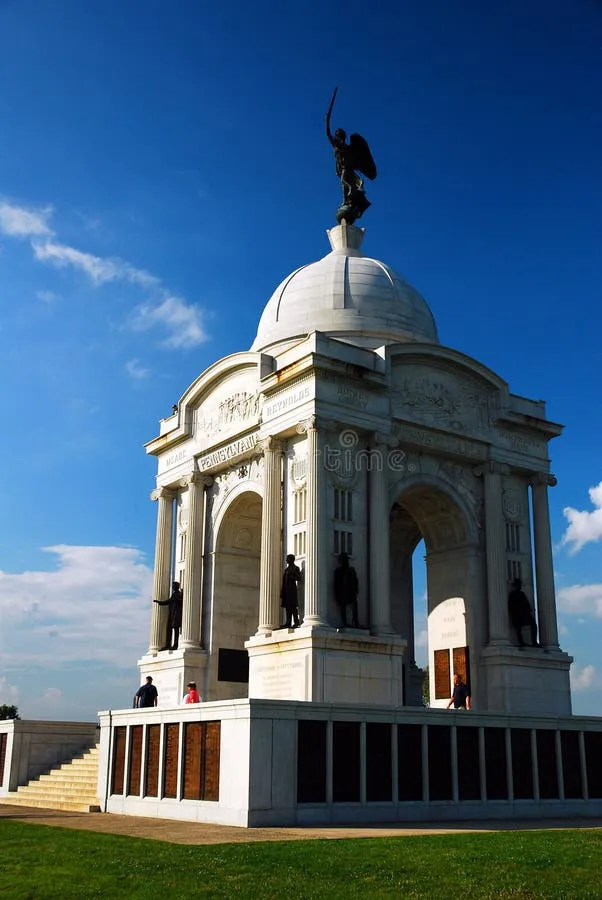 Photo: Gettysburg, Pennsylvania, via thumbs.dreamstime.com
That man was not Abraham Lincoln.
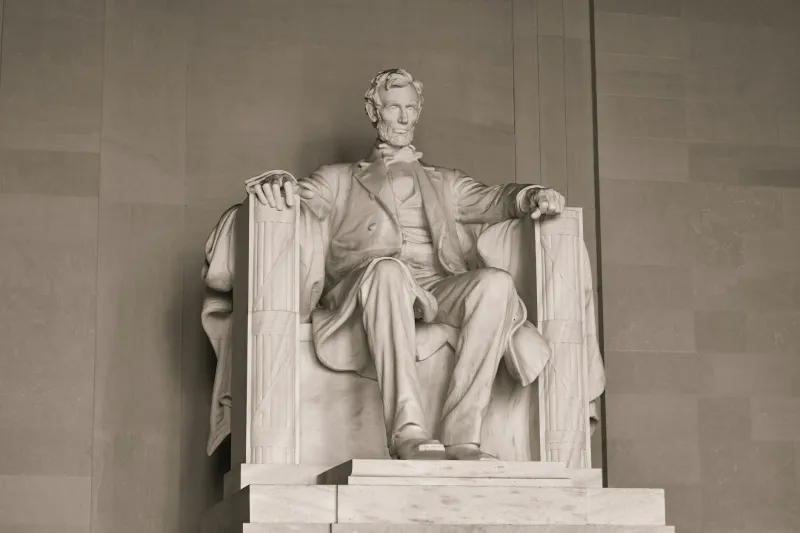
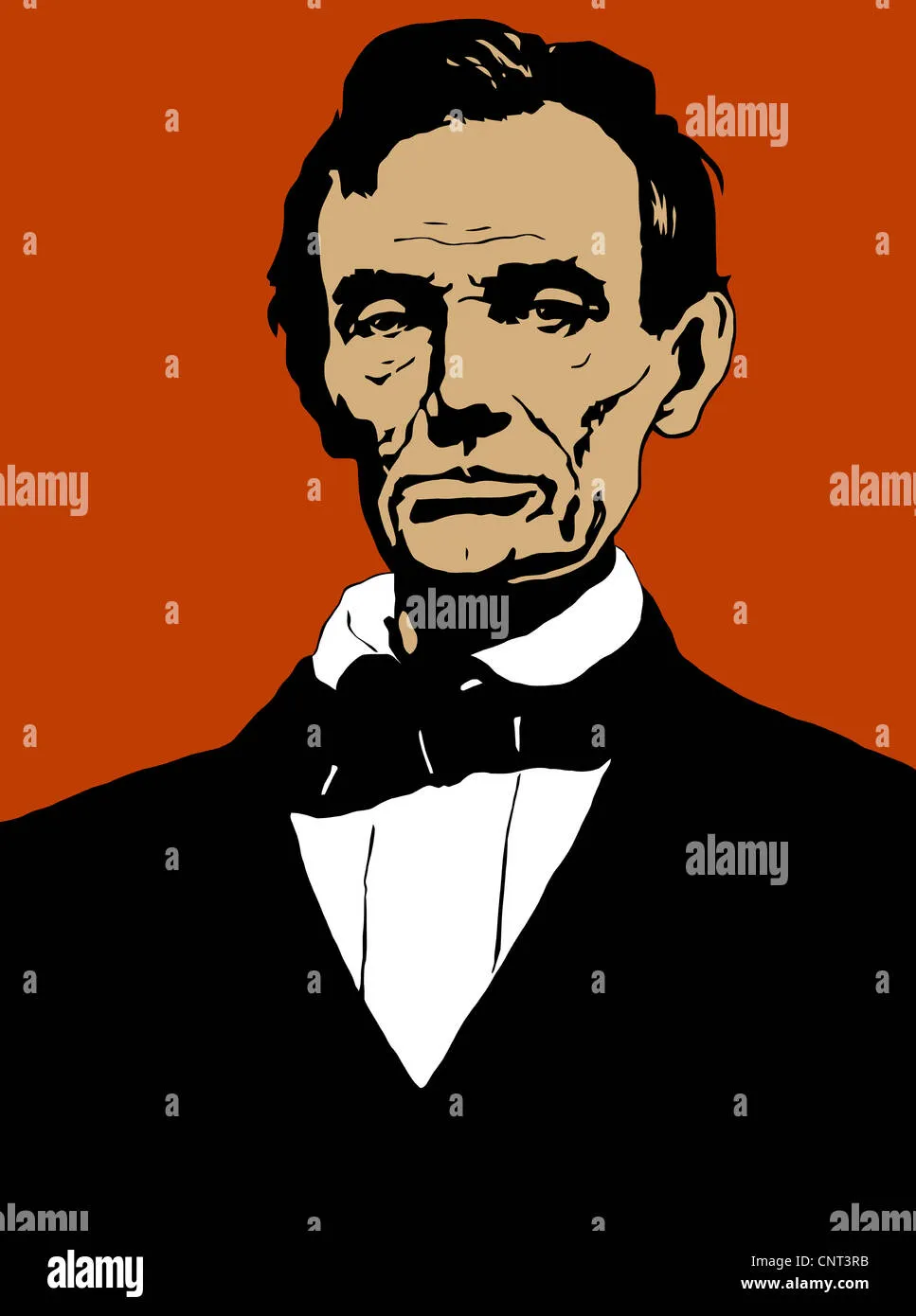 Photo: Abraham Lincoln, via c8.alamy.com
Edward Everett, former Harvard president and renowned speaker, was the main event. Lincoln was basically the guy they asked to say a few words afterward — a political courtesy that organizers figured would take maybe five minutes.
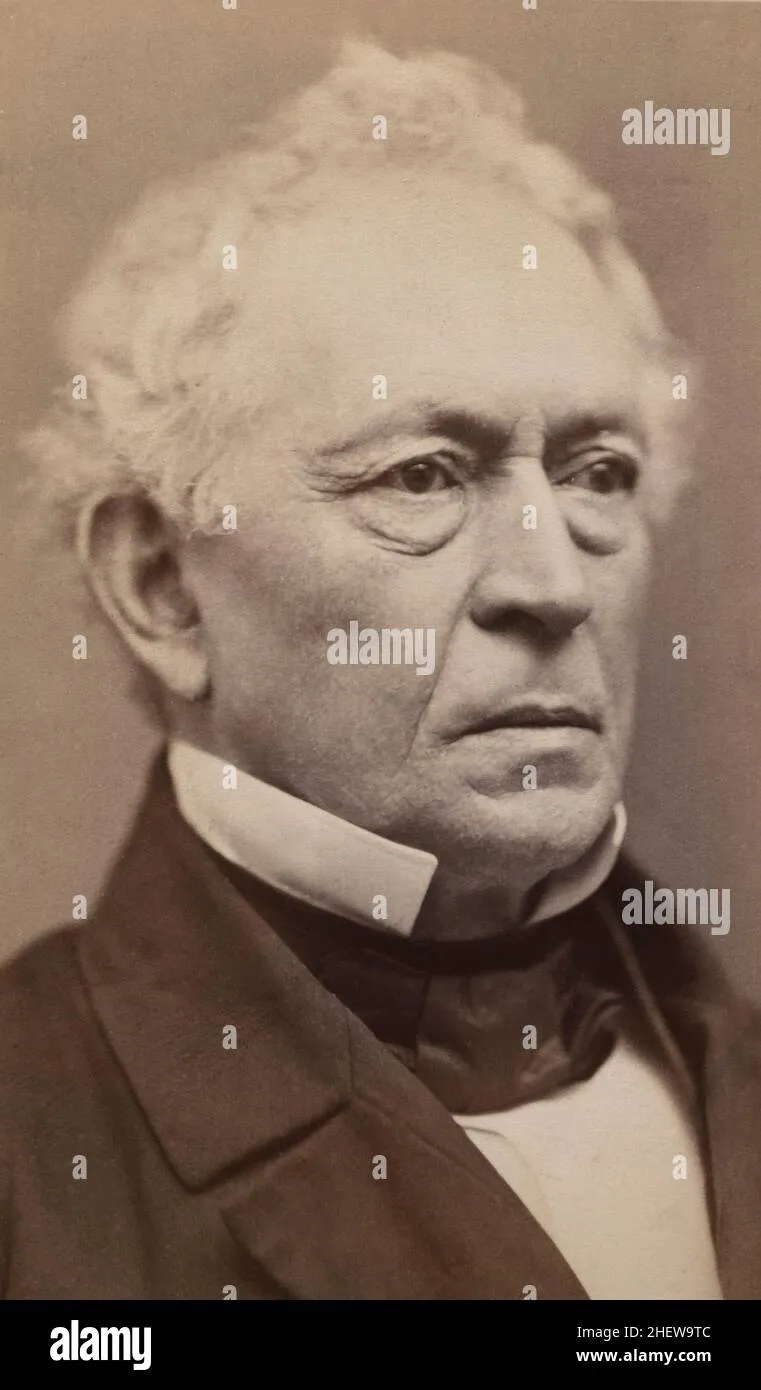 Photo: Edward Everett, via c8.alamy.com
History had other plans.
The Orator Who Owned America's Attention
Edward Everett was the 19th century's equivalent of a rock star keynote speaker. He'd been Governor of Massachusetts, U.S. Senator, Secretary of State, and Harvard's president. When Americans wanted to hear beautiful, soaring rhetoric, they called Everett.
His speeches were events. People traveled hundreds of miles to hear him speak. Newspapers devoted entire front pages to transcribing his remarks. He was, without question, the most famous public speaker in the country.
So when the Gettysburg cemetery organizers needed someone to deliver the main address, Everett was the obvious choice. Lincoln was invited almost as an afterthought — the sitting president should probably say something, but everyone knew the real draw was Everett.
The Marathon Performance Nobody Remembers
On that crisp November morning, Everett took the podium and delivered exactly what everyone expected: a masterpiece of 19th-century oratory. For two hours and seven minutes, he painted vivid pictures of the battle, honored the dead, and wove classical references through sweeping historical narratives.
The crowd was mesmerized. Newspapers called it "magnificent" and "sublime." The Chicago Tribune wrote that Everett's speech was "a model of eloquence" that would "live in the memory of this generation."
Everett covered everything: the causes of the war, the specific movements of troops during the battle, comparisons to ancient Greek funeral orations, and detailed descriptions of how the cemetery should serve as a monument to sacrifice.
It was everything a major commemorative speech was supposed to be in 1863: long, learned, and loaded with classical references that demonstrated the speaker's education and sophistication.
The President's Brief Intermission
After Everett's epic performance, Lincoln stood up for what the program listed as "dedicatory remarks." In less than three minutes, he delivered 272 words that redefined what American oratory could be.
No classical references. No flowery language. No detailed historical analysis. Just plain, powerful words about why the living needed to honor the dead by continuing their unfinished work.
The crowd applauded politely. Several newspapers barely mentioned Lincoln's remarks, focusing instead on Everett's "brilliant oration." The Chicago Times dismissed Lincoln's speech as "silly, flat, and dishwatery."
Everett himself wrote to Lincoln the next day: "I should be glad if I could flatter myself that I came as near to the central idea of the occasion in two hours as you did in two minutes."
The Great Reversal Nobody Saw Coming
Within a generation, everything flipped. Everett's carefully crafted masterpiece faded from memory while Lincoln's brief remarks became the most quoted speech in American history.
By 1900, schoolchildren memorized the Gettysburg Address while Edward Everett became a footnote. By 1950, most Americans had never heard of him. Today, you can find Lincoln's words carved in stone monuments across the country while Everett's two-hour opus exists mainly in dusty archives.
What happened? Lincoln's speech did something revolutionary: it was short, accessible, and focused on the future rather than the past. While Everett delivered beautiful classical oratory, Lincoln delivered something new — words that ordinary people could understand, remember, and repeat.
The Lesson Hidden in Plain Sight
The Gettysburg Address teaches us something profound about how history judges communication. Everett gave the crowd exactly what they expected from a great 19th-century speech. Lincoln gave them something they didn't know they needed: a new way of talking about American ideals.
Everett's speech was perfect by the standards of his time. Lincoln's speech created new standards.
The newspapers that day got it completely wrong. They praised the performance that met existing expectations while dismissing the one that would reshape American political rhetoric forever.
When the Opening Act Becomes the Headliner
In entertainment, we call it "being upstaged by the opening act." In politics, it's usually career suicide. But Lincoln's brief remarks didn't just upstage Everett — they redefined what presidential communication could accomplish.
Everett spent two hours explaining why the cemetery was important. Lincoln spent two minutes explaining why America was important. One speech was about that day; the other was about all days.
The Irony That Still Echoes
Today, millions of Americans can recite at least the opening lines of Lincoln's address. Meanwhile, Edward Everett — the man who was supposed to be the star of that November afternoon — is remembered mainly for being the guy who spoke before Lincoln.
It's the ultimate historical plot twist: the warm-up act became the main event, and the main event became a warm-up for one of history's greatest speeches.
Somewhere in the archives, Everett's two-hour masterpiece sits as a reminder that sometimes the most important words are the ones nobody expects to matter. And sometimes the greatest speeches in American history happen when the president is just supposed to say a few words before everyone goes home.