When Love Actually Conquered Demolition: The Colorado Town That Married a Bridge and Made It Stick
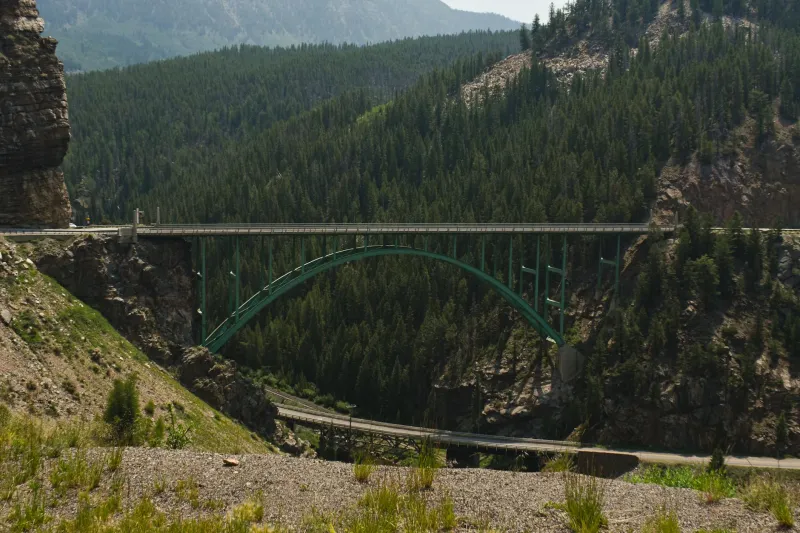
Till Rust Do Us Part
Picture this: a small mountain town, a rusty old bridge scheduled for demolition, and a mayor in a wedding dress saying "I do" to 900 tons of steel and concrete. If that sounds like the setup to a comedy sketch, welcome to Manitou Springs, Colorado, where reality has a habit of getting wonderfully weird.
In 2013, when Soda Springs Bridge faced the wrecking ball after 80 years of faithful service, the townspeople didn't just protest—they threw a wedding. Complete with a ceremony, rings (okay, giant metal washers), and legally binding paperwork that somehow convinced a county clerk to issue an actual marriage certificate.
Yes, you read that correctly. A government official legally married a human being to a bridge, and nobody realized the implications until it was too late to easily undo.
How to Legally Wed Infrastructure
The mastermind behind this matrimonial madness was Mayor Susan Burke, who arrived at the ceremony in full bridal regalia. The "groom"—the 1933 steel truss bridge—stood stoically over Fountain Creek, probably unaware it was about to become Colorado's most unusual newlywed.
Local pastor Reverend Jim Morrison (no, not that Jim Morrison) officiated the ceremony with the kind of straight-faced commitment usually reserved for actual human unions. "Do you, Soda Springs Bridge, take Susan to be your lawfully wedded mayor, to have and to hold, through flood and drought, till rust do you part?"
The bridge, naturally, remained silent. The crowd interpreted this as consent.
What nobody expected was that El Paso County Clerk Wayne Williams would actually process the marriage license. In a move that would haunt his office for years, Williams treated the application like any other union between consenting... entities. The certificate was filed, stamped, and entered into official records.
When Satire Meets Bureaucracy
The wedding was meant to be pure theater—a creative way to draw attention to the bridge's historical significance and rally opposition to its demolition. The 80-year-old structure had carried countless locals across Fountain Creek and served as a beloved landmark in the artistic community of Manitou Springs.
But somewhere between the vows and the reception (which featured bridge-shaped cake), the performance art became legally binding reality. County officials discovered they had inadvertently created Colorado's first recorded human-infrastructure marriage, complete with all the legal protections that typically accompany matrimony.
Suddenly, demolishing the bridge wasn't just an engineering decision—it was potentially destroying someone's spouse. The legal department went into overdrive trying to figure out whether destroying the bridge constituted property damage, divorce proceedings, or something entirely unprecedented in Colorado law.
The Honeymoon Period
For three years, the marriage held up demolition plans while lawyers debated the implications. Could you demolish someone's legally recognized spouse without their consent? Did the bridge have property rights? Could infrastructure file for divorce?
The absurdity reached peak levels when county commissioners found themselves genuinely discussing whether the bridge was entitled to spousal benefits or if Mayor Burke could claim it as a dependent on her taxes.
Meanwhile, the bridge continued its marital duties, carrying traffic and collecting the occasional anniversary gift from amused tourists. Local businesses started selling "Bridge Bride" merchandise, and the story attracted national attention from news outlets struggling to explain how a government office had accidentally legalized interspecies marriage with a pile of steel.
Death Do Us Part
The marriage finally ended in 2016, not through divorce proceedings, but through the bridge's untimely demise. After years of legal wrangling and mounting maintenance costs, county officials found a loophole: they declared the bridge structurally unsound and unsafe for public use.
Mayor Burke, showing the kind of grace rarely seen in modern divorce proceedings, agreed to "let her husband go" for the safety of the community. The demolition proceeded, but not before a proper funeral service was held, complete with bagpipes and a eulogy celebrating the bridge's "faithful service to our community and brief but meaningful marriage to our mayor."
The Legal Legacy
The Soda Springs Bridge marriage forced Colorado to clarify its marriage laws, specifically adding language about "human participants" to prevent future bureaucratic mishaps. County Clerk Williams, who by then had become something of a local celebrity, admitted the whole affair taught him to "read applications more carefully, especially when they involve municipal infrastructure."
The story became a case study in law schools across the country, cited in discussions about the intersection of performance art, legal documentation, and bureaucratic oversight. It also spawned copycat attempts in other states, though none achieved the same accidental legal validity.
Today, a small memorial plaque marks the spot where Soda Springs Bridge once stood, noting its years of service and its brief but legally recognized marriage to the town's mayor. It's probably the only monument in America dedicated to both infrastructure and matrimony.
The whole affair proves that sometimes the most effective protests are the ones that accidentally become real—and that government clerks really, really need to start reading the fine print on marriage applications.